Skip to content

TITANLOCK ART-certified folding lock, 100 cm vs KOHLBURG Large D-lock with cable, 17 × 34.3 cm

A folding lock, or a D-lock with a cable?

These are the only two locks in this hub whose makers name an independent body rather than a self-assigned figure. They then solve the parking problem in opposite ways: one goes around more, the other has fewer joints.

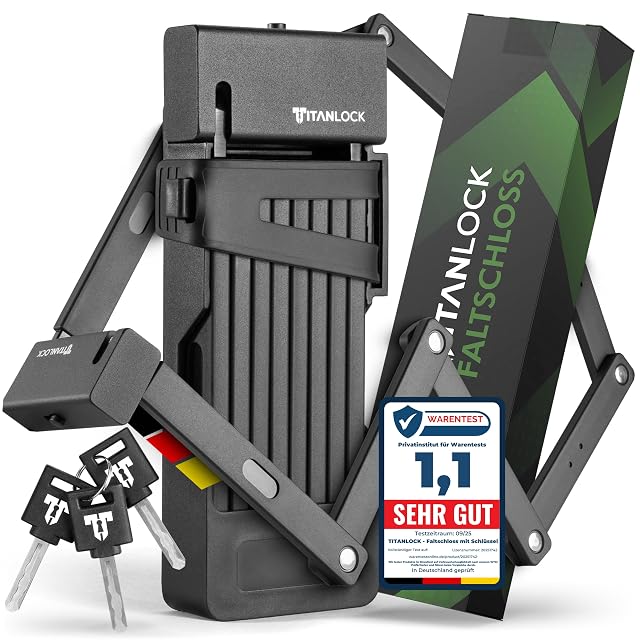
TITANLOCK folding bike lock unfolded to its full length beside its frame bracket

TITANLOCK ART-certified folding lock, 100 cm

Wins 1 of 7

Check price

≈ £70 / 52 €

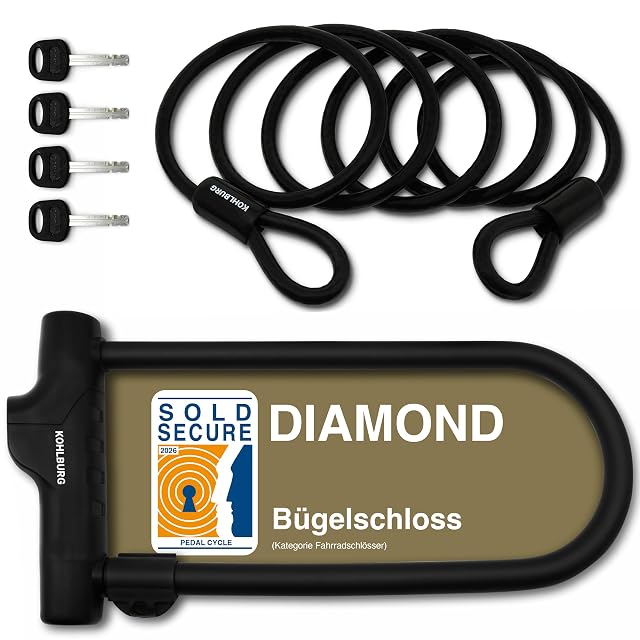
KOHLBURG D-lock with its shackle open, shown with the supplied loop cable

KOHLBURG Large D-lock with cable, 17 × 34.3 cm

Wins 1 of 7

Check price

≈ $89 / £78 / 79 €

Line by line

Compared on ART-certified folding lock, 100 cm Large D-lock with cable, 17 × 34.3 cm
Format Folding, 100 cm unfolded D-lock, 17 × 34.3 cm outer
Independent scheme named ART certification stated ADFC recommendation stated
Reach around a stand 100 cm unfolded 10.5 × 28 cm internal clearance
Front wheel Not published 1.7 m spiral cable, 8 mm, included
Cylinder Protected against dirt and drilling Multi-disc, T-shaped two-chamber system
Weight Not published Not published
Markets carrying it 6 6

A tick marks the better answer on that line only. Counting ticks does not decide the page — the two verdicts below do, because these products answer different questions.

Which one, for whom

Buy the ART-certified folding lock, 100 cm

The lock for awkward parking. A hundred centimetres reaches around thick posts and wide railings with the frame and a wheel inside, which a D-lock simply cannot do. TITANLOCK does not publish the ART level, and that is the part an insurer usually names — establish it before buying on that basis.

Buy the Large D-lock with cable, 17 × 34.3 cm

The lock for a bike parked in the same place every day. A 14 mm shackle has fewer joints to attack than any folding lock, and the included 1.7 m cable covers the front wheel — the part most commonly left behind.

Questions people actually ask

Is ART or ADFC the stronger claim?

They are different things. ART is a Dutch testing foundation that grades locks by resistance time; ADFC is the German cycling association and its recommendation is not a graded certificate. Both are third-party statements rather than manufacturer adjectives, and we report both as manufacturer claims without verifying certificates.

Does my insurer care which I buy?

Possibly, and it will say so by naming a scheme and a grade rather than a brand. Read your own policy before buying — an uncertified lock can void a claim regardless of how solid it is.

Which is heavier?

Neither manufacturer publishes a weight, so we will not guess. Weight is the honest measure of how much steel a lock carries, and its absence from both listings is a real gap.

The full reviews