Skip to content

Fischer Urban Levin city helmet, S/M vs Favoto MTB helmet with visor, L

A city helmet, or a mountain bike helmet?

These two do not fit the same head and are not for the same riding. One publishes its ventilation and puts a light in the back; the other publishes its shell and liner and puts a visor on the front.

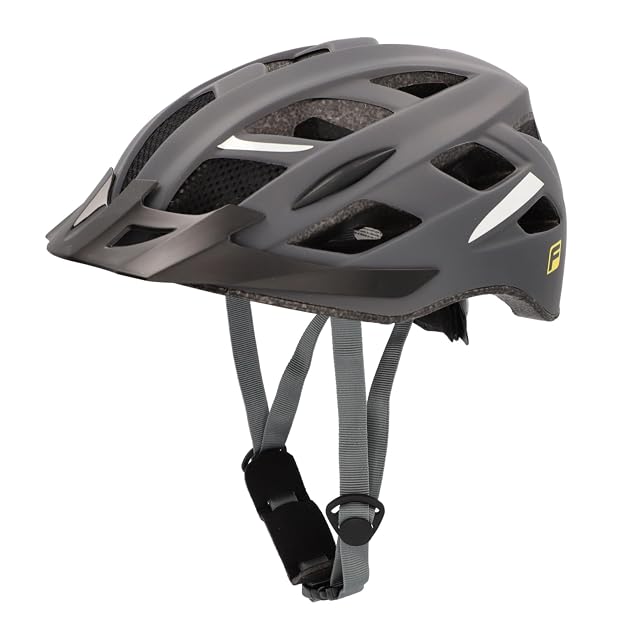
Fischer Urban Levin city helmet in grey, showing its vents and adjustable inner ring

Fischer Urban Levin city helmet, S/M

7.2/10

Wins 2 of 6

Search Amazon

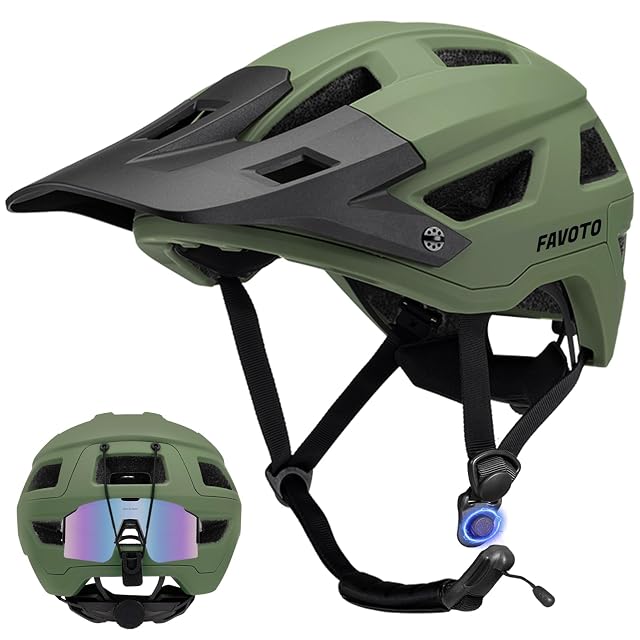
Favoto mountain bike helmet in army green with an extended peak visor

Favoto MTB helmet with visor, L

7.8/10

Wins 2 of 6

Search Amazon

Measure against measure

Compared on Urban Levin city helmet, S/M MTB helmet with visor, L
Stated head circumference 54–59 cm (21.3 to 23.2 in) (sold as S/M) 59–61 cm (23.2 to 24 in) (sold as L)
Vents 16, with insect mesh Not published
Integrated light Rear light, 3 modes Not published
Shell and liner Not published Double in-mold PC shell, 20 mm (0.79 in) high-density EPS
Visor Not published Thicker and longer, removable
Listed on amazon.com No No

A tick marks the better answer on that line only. Counting ticks does not decide the page — the two verdicts below do, because these products answer different questions.

Which of the two, for which rider

Urban Levin city helmet, S/M

No amazon.com listing was found for this one. We hold references for other markets but none for the United States, so it may not be buyable here — which is the first thing to weigh against anything below.

The commuting helmet, and one of the best-selling on this site for a simple reason: an integrated rear light costs less here than a separate rear lamp does. Sixteen vents with insect mesh is a lot of published ventilation at this price. Note that Fischer's own listing title states 52–59 cm (20.5 to 23.2 in) where the detailed specification says 54–59 cm (21.3 to 23.2 in) — confirm the range with the seller.

MTB helmet with visor, L

No amazon.com listing was found for this one. We hold references for other markets but none for the United States, so it may not be buyable here — which is the first thing to weigh against anything below.

The trail helmet, and the only one of the two that publishes what it is made of. A 20 mm (0.79 in) high-density EPS liner and a double in-mold shell are the figures that describe a helmet; a removable visor is what you want against low sun and branches.

The questions riders ask

How do I choose the size?

Measure your head with a tape about a centimeter above the eyebrows, at the widest point, and compare that figure in centimeters to the stated range. S/M/L labels are not comparable between brands. These two barely overlap: 54–59 against 59–61.

Do either of these meet a safety standard?

Marking is declared by the manufacturer, and we report what each states without assessing conformity. Follow the marking and the service life printed inside the helmet you actually buy.

When does a helmet need replacing?

After any impact, even one that leaves no visible mark, because the EPS liner works by crushing and does not come back. Manufacturers also state a service life from the date of manufacture — that figure is inside your own helmet.

The full page on each