Skip to content

The best cycling speed, cadence and heart rate sensors for 2026

A sensor that only speaks Bluetooth pairs with a phone but can be invisible to a head unit that expects ANT+, which is why dual-protocol broadcasting is the specification that decides whether a sensor survives your next computer. We compare protocol support, magnet-free designs (which read wheel rotation from the hub rather than needing a spoke magnet aligned to a fork-mounted pickup) against traditional magnet setups, the coin-cell life each manufacturer states, and whether mounting is by rubber band, zip tie or screw.

The models we recommend

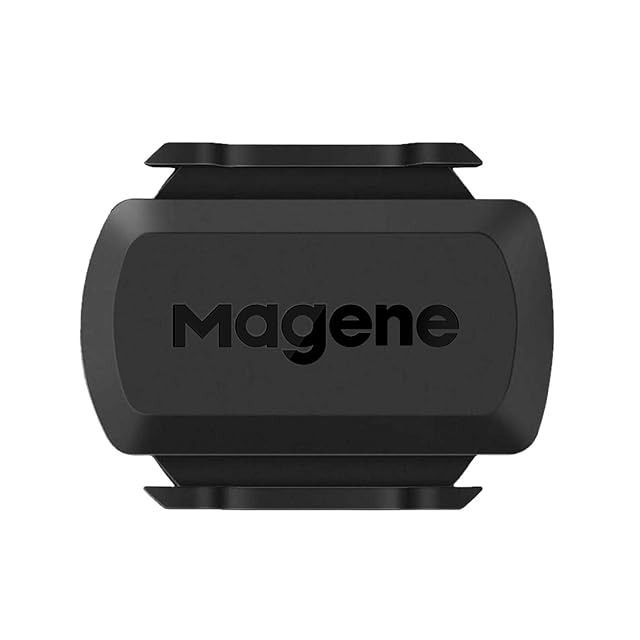
  1. Magene S3+ speed and cadence sensor

    Dual mode speed/cadence · ANT+ and Bluetooth 4.0 · magnet-free

    The best-selling sensor in this hub: one unit that switches between speed and cadence mode by reseating the battery, broadcasting on both ANT+ and Bluetooth.

    Best for: A first sensor, or a pair of them, at the price of a set of brake pads.

    7.2/10

    ≈ $17

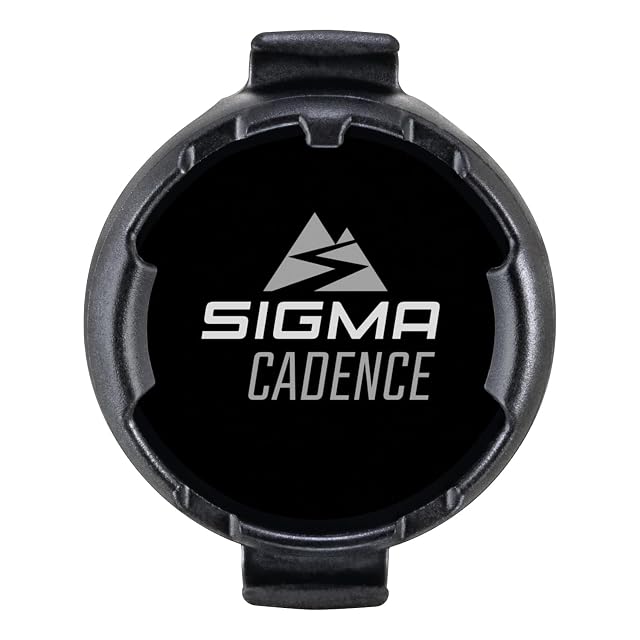
  2. SIGMA DUO magnet-free cadence sensor

    Magnet-free cadence · ANT+ and BLE · pivoting mount

    A magnet-free cadence sensor from an established German maker, with a pivoting mount and both ANT+ and BLE, though the manufacturer publishes little detail.

    Best for: Riders already using SIGMA computers who want a matching sensor from the same maker.

    7.8/10

For which need, in speed, cadence and heart rate sensors

Measuring what the bike does not say

Cadence, wheel speed and heart rate only come from sensors. The computer does no more than display them.

Magene S3+

A sensor that lasts

Water resistance and the reliability of the link decide whether the sensor is still in use in two years. That is what the price buys.

Garmin 010-12845-00

Talking to the head unit you own

A single-protocol sensor is invisible to a computer that speaks the other one. The stated protocols decide compatibility, not the sensor's brand.

Garmin 010-12845-00

For whom, within speed, cadence and heart rate sensors

Structured training
Cadence and heart rate are the two figures that structure a session. Without sensors there is nothing to follow.
Turbo trainer
A cadence sensor completes a trainer that does not always measure it. A frequent addition.
Plain rides
Speed and distance come from the computer's GPS. Sensors only become useful if you are following progress.

What each advantage costs, on speed, cadence and heart rate sensors

Chest strap against optical armband
The strap is truer on rapid variations and is worn against the skin; the optical armband is more comfortable and reacts more slowly.
Multiple protocols against compatibility
A sensor broadcasting on both standards works with a computer as with a phone. A single-protocol sensor locks you into one ecosystem.
Coin cell against recharging
A cell lasts months and is replaced in ten seconds; a rechargeable sensor avoids batteries and has to be remembered before every ride.

Before buying speed, cadence and heart rate sensors

Is a strap more accurate than an armband?

On rapid changes of effort, the chest strap stays truer. The optical armband is more comfortable and smooths more.

Which protocols should I choose?

Two wireless standards coexist. A sensor broadcasting on both works with a computer as with a phone.

Why does my heart rate show absurd values?

A dry strap does not conduct. Wetting the electrodes before setting off removes almost all of those artefacts.

Where does a cadence sensor go?

On the crank, with a magnet or by accelerometer depending on the model. Magnet-free sensors fit in seconds.

Do I need a speed sensor if I have GPS?

GPS is enough outdoors. The wheel sensor becomes necessary on a trainer and in tunnels or under dense cover.

How long does the cell last?

From several months to several seasons depending on use. A link that drops out intermittently often means a weak cell.

Does the strap need washing?

Sweat degrades the electrodes and causes irritation. A rinse after every ride extends its life markedly.

Why does my heart rate jump at the start of a ride?

A dry strap makes poor contact and gives erratic readings for ten minutes. Wetting the electrodes before setting off removes the problem.

What to remember about speed, cadence and heart rate sensors

A dry strap gives absurd values: wetting the electrodes before setting off removes almost every artefact. A dual-protocol sensor works everywhere, and a link that drops out intermittently points first at the cell.

A quick look at speed, cadence and heart rate sensors

    Speed, cadence and heart rate sensors in one table

    To appear here, a characteristic has to be stated by four items in five. Short of that, the column would mostly say nobody publishes.

    ModelPriceProtocols
    Magene S3+$17ANT+ and Bluetooth 4.0
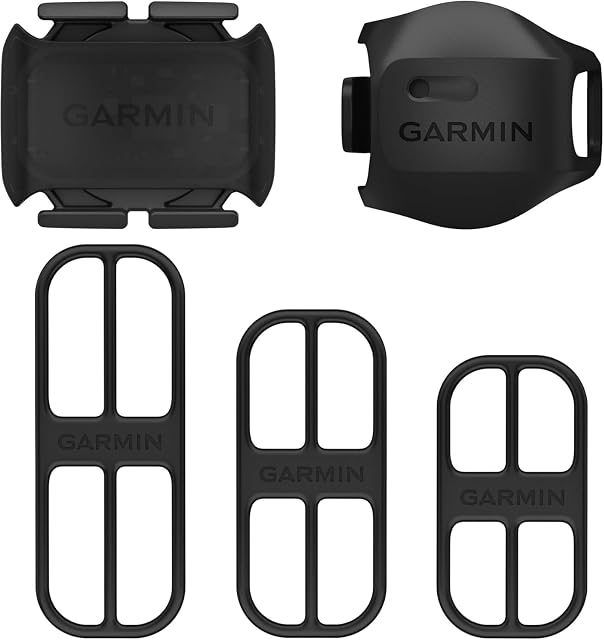
    Garmin 010-12845-00$125ANT+ and Bluetooth 5.0
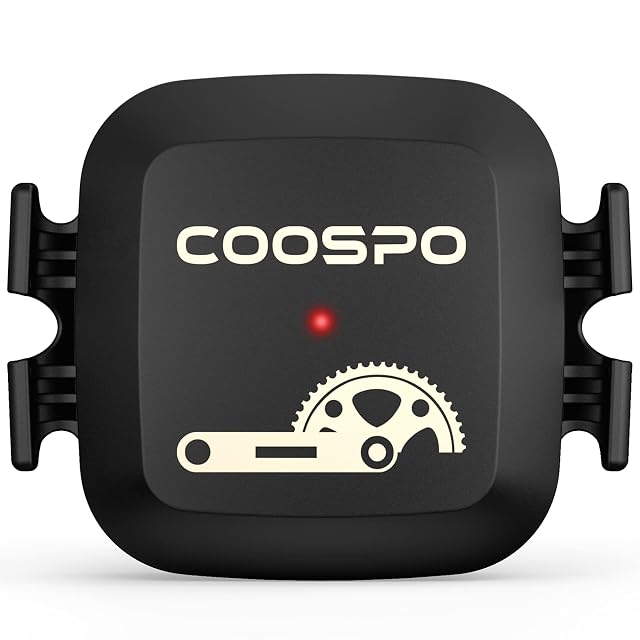
    CooSpo BK467—Bluetooth and ANT+
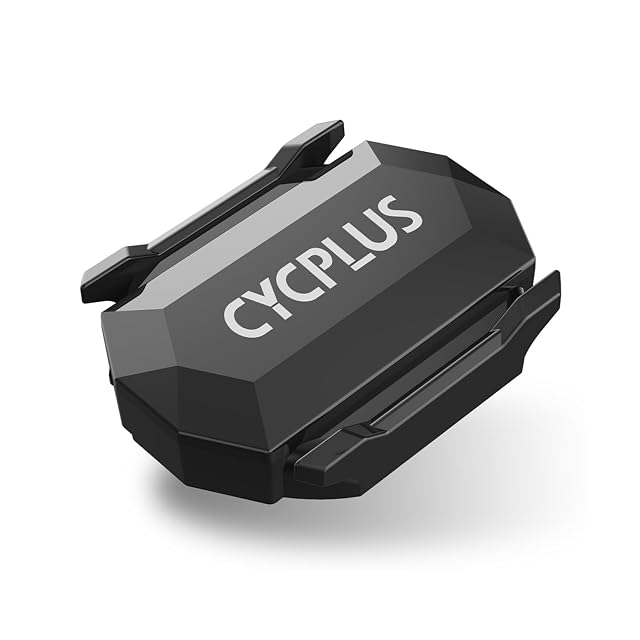
    CYCPLUS Speed and cadence sensor—Bluetooth and ANT+
    SIGMA 20336—ANT+ and BLE

    Also worth reading on speed, cadence and heart rate sensors

    Sources and how we rank

    Specifications: manufacturer sheets for bike gear and the matching Amazon product pages. Prices and availability: Keepa. Every figure in this table names its source.

    Most recent revision in this category: August 30, 2026.

    How we assess speed, cadence and heart rate sensors

    Prices quoted in these summaries are dated readings. The live price is shown next to each product.