Publishes everything the shelf asks for — and loses to its own stablemate
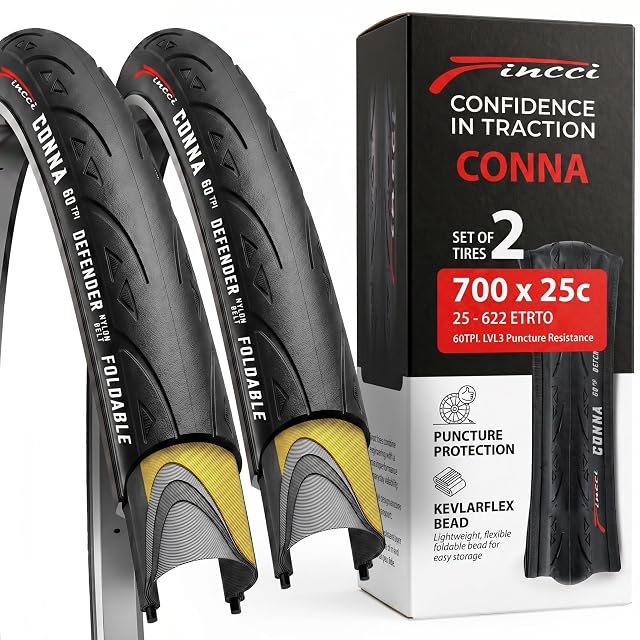
Fincci 700×25c folding, 60 TPI, 280 g (9.9 oz)
A 700×25c folding road tire with a 60 TPI casing, a 1 mm (0.04 in) nylon anti-puncture layer and a published weight of 280 g (9.9 oz).
What you are getting
A 700×25c road tire — ETRTO 25-622 — with a folding Kevlar bead, a 60 TPI casing, a 1 mm (0.04 in) nylon anti-puncture layer, and a published weight of 280 g (9.9 oz). Slick tread. $49.91.
It is the only tire on this page that publishes all four
The introduction to this shelf compares width and ETRTO, bead type, the named puncture belt, and casing type. This listing gives every one of them, plus a weight:
- 25-622, the ETRTO pair, printed
- folding Kevlar bead
- 1 mm (0.04 in) nylon anti-puncture layer, with a thickness
- 60 TPI casing
- 280 g (9.9 oz) a tire
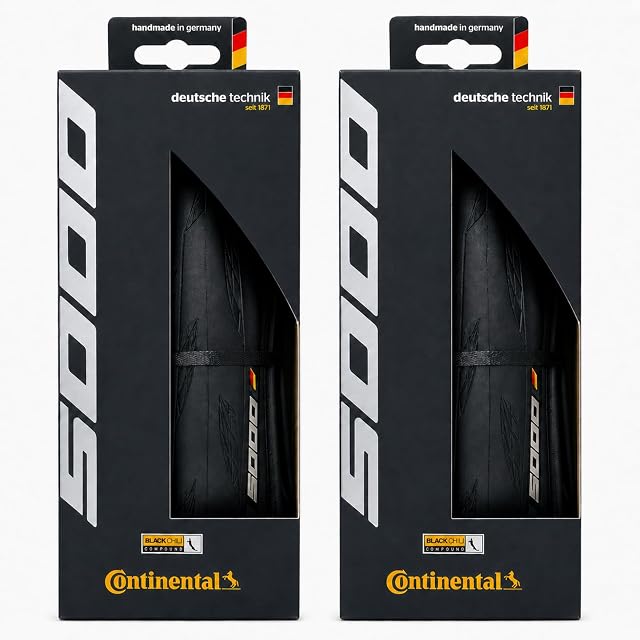
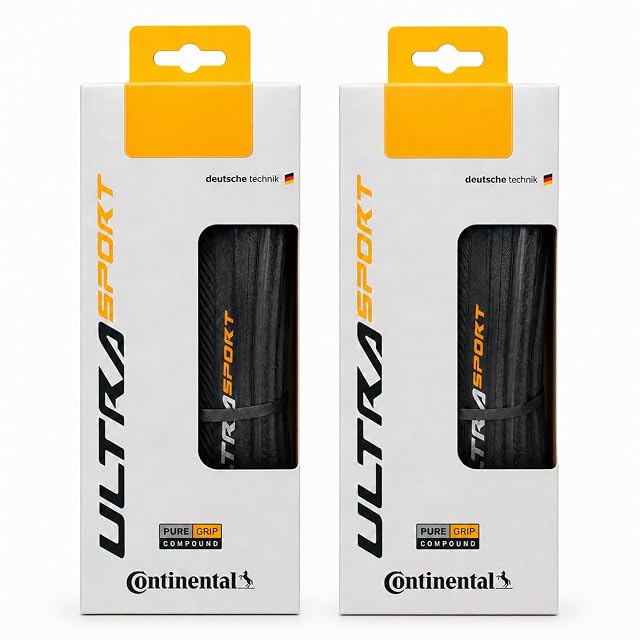
Neither Continental on this page publishes a weight, a TPI or an ETRTO. That is the comparison this shelf exists to make, and Fincci is the one making it possible.
But Fincci already has a better tire on this shelf
This site publishes the Fincci Conna 700×25C, and it is the same brand, the same size and the same 1 mm (0.04 in) protection with two figures reversed:
| this one | Conna, already published |
|---|
| ETRTO | 25-622 | 25-622 |
| Bead | folding Kevlar | folding Kevlar |
| Protection | 1 mm (0.04 in) nylon | 1 mm (0.04 in) nylon |
| Casing | 60 TPI | 120 TPI |
| Weight | 280 g (9.9 oz) | 200 g (7.1 oz) |
| Price | $49.91 | ≈ $47 (pair) |
Eighty grams heavier per tire, half the thread count, and three dollars more.
What TPI actually changes
Threads per inch counts the threads in the casing fabric. A higher count means finer threads, more of them, and less rubber between them — so the casing flexes more easily, conforms to the road, and rolls faster. A 60 TPI casing is coarser: cheaper to make, tougher against sidewall cuts, and slower.
So the two Fincci tires are not better and worse, they are two different tires: 60 TPI for durability, 120 TPI for speed. The published Conna is the faster one and currently the cheaper one, which makes this listing hard to recommend at its current price.
A rider on broken city tarmac who has cut a sidewall will still prefer 60 TPI.
One millimeter, stated
“A Kevlar bead and a 1 mm (0.04 in) nylon anti-puncture layer that deflects road debris.”
A thickness is rare on this shelf. Continental names belts — ExtraPuncture, Vectran — and never gives a dimension. Fincci’s own 26-inch city tire, which moved to the gravel page from this group, goes to 3 mm (0.12 in); its 700×35c gravel tire also publishes 1 mm (0.04 in).
One millimeter under a 25 mm (0.98 in) road tread is a thin-glass defense, not a thorn defense.
Where the copy overreaches
“Built to go flatless” and “these flatless bike tires are commuter-tested”. No tire is flatless, and “commuter-tested” names no test, no distance and no tester. The useful part of that bullet is the 1 mm (0.04 in) figure beside it.
What is not published
No pressure range, no compound, no tubeless statement (so: clincher with a tube), and no durometer. The last bullet is about the brand being British.
Availability
Read on the day this page was built: $50 at the American Amazon shop.
Read from Keepa on the day this page was last revised; stock and price both move without notice.
Prices quoted in this text were read on 2026-10-06. The live price is at the top of the page.