Where cheap is simply correct
Inner tubes. Butyl rubber is butyl rubber. Match the ETRTO size and the valve and buy whatever is in stock.
Bottle cages. An aluminum wire cage at four euros holds a bottle as well as one at twenty, and can be bent to adjust its grip.
Cables. A genuine manufacturer inner cable costs a few dollars. Stainless is worth the small premium on a winter bike; beyond that there is nothing to buy.
Tire levers, patches, small hardware. Solved problems.
Where spending more is real
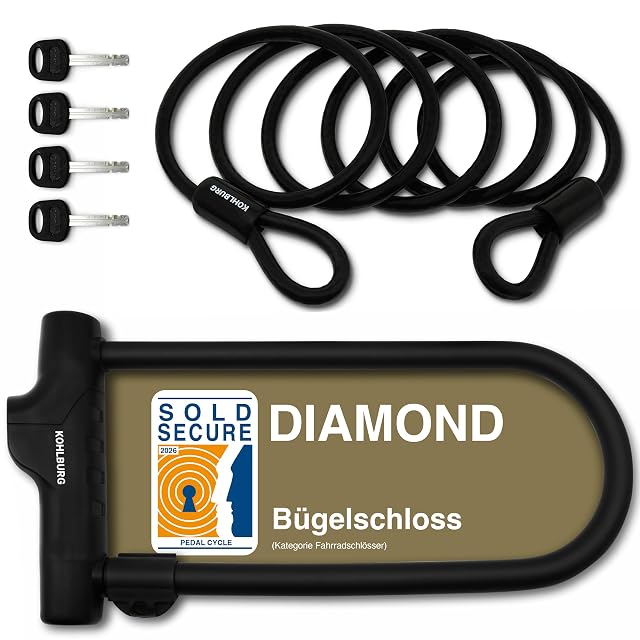
Locks. The difference between price points is steel thickness and cylinder quality, and both are measurable. Buy more lock than feels necessary.
Tires. Casing suppleness, compound and protection belts all differ substantially, and you feel all three on every ride.
Lights, for unlit roads. A shaped, approved beam at 80 lux does something a cheap unshaped lamp does not.
Anything holding a bike to a car. A rack is holding two bikes at motorway speed above other people’s windscreens.
Where it depends entirely on use
Pumps. A cheap track pump is fine for a family bike checked monthly. A ten-year warranty and a 25 cm (9.8 in) base is worth it for a household that uses it weekly.
Tools. A cheap hex key rounds a bolt once and then costs more than a good one. A cheap chain tool used twice a decade does not.
The pattern
Spend where a failure is expensive, dangerous, or felt on every ride. Save where the product is a solved problem and the cheap one does the same job.
The questions riders ask
Where does spending more genuinely help?
Locks, tires, lights and anything holding a bike to a car. Those either fail expensively or fail dangerously, and the difference between price points is real.
Where does it not?
Tubes, bottle cages, cables, tire levers and most small hardware. These are solved problems, and the cheap version does the same job.
Last reviewed 30 August 2026