Buy the expensive one: safety components with published limits
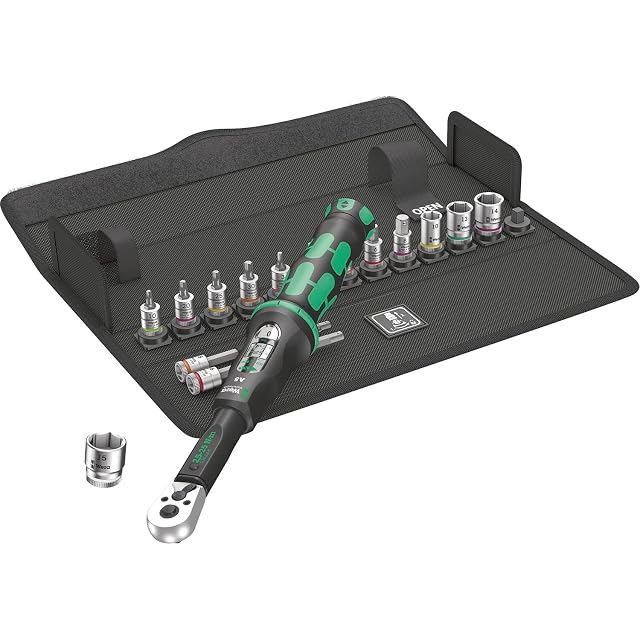
Torque wrenches, where the difference is accuracy at the low end and a click you can feel on a bolt you cannot see.
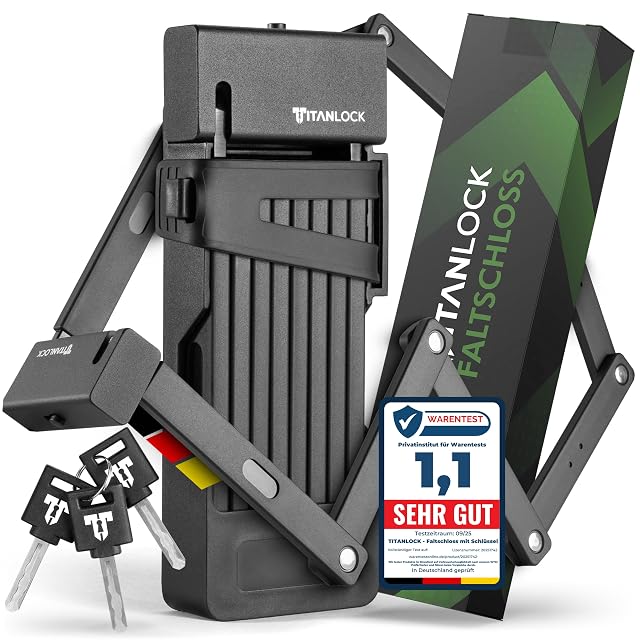
Locks, where the premium buys an independent assessment — ART, ADFC — which is the only claim on a lock you can check.
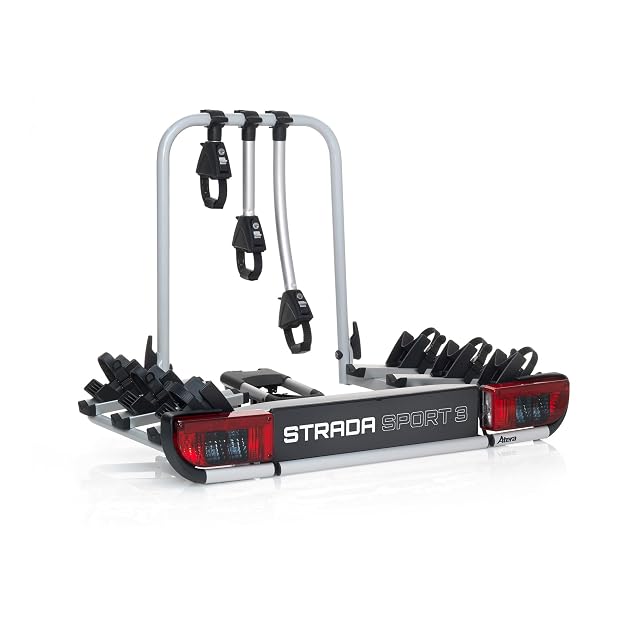
Racks, where the premium buys published load figures and mechanisms designed for repeated use.
Buy the expensive one: things used every single ride
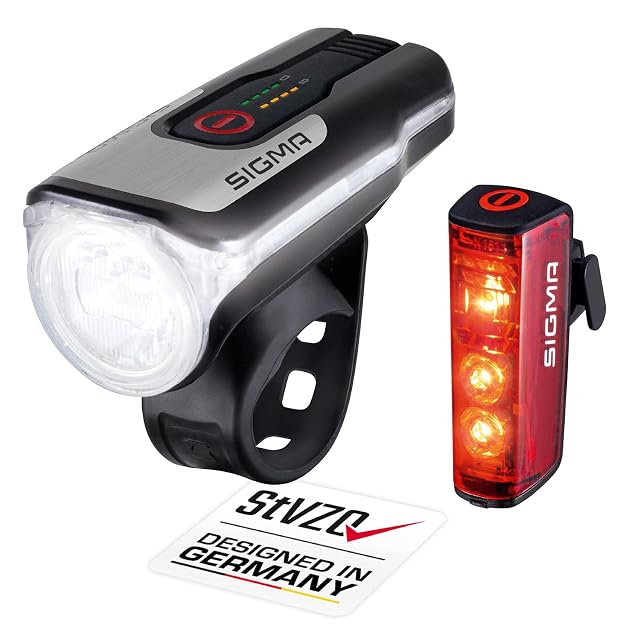
Lights, where 80 lux against 30 lux is not marginal on an unlit road. Contact points, where comfort compounds over hours.
The cheap one is fine: consumables
Chain oil, degreaser, brushes. NIGRIN’s oil and cleaner are among the best-selling items on this site at a fraction of the premium alternatives, and the routine matters far more than the bottle.
The cheap one is fine: things whose specification is identical
Two track pumps both stating 11 bar and all three valve types are doing the same job. The differences are in the gauge and the build, and those are visible.
Where price buys documentation and where it does not
Atera’s rack publishes four load and fitment limits and is not the most expensive in its hub. Thule’s is, and publishes none. Judge on what is stated, not on the price tag.
The honest test
Ask what the extra money buys that you can point to in the specification. If the answer is a name and a finish, that may still be worth it — but know which one you are buying.
The questions riders ask
Is a more expensive product always better documented?
No, and the exceptions are instructive. Thule's racks are the most expensive in their hub and publish no payload figure, where the Fischer and Atera racks do. Documentation and price are not the same axis.
Where is the cheap option usually fine?
Consumables. Chain oil, degreaser and cleaning brushes at the entry price do the job, and the routine matters far more than the bottle.
Last reviewed 30 August 2026