First forty: tires
Replacing worn tires changes grip, rolling resistance, comfort and puncture frequency — every single thing you feel on a ride. A mid-price new tire outperforms a premium worn one comfortably.
Check your frame’s published clearance and consider going a size wider if it allows: lower pressures with more grip and comfort at very little speed cost.
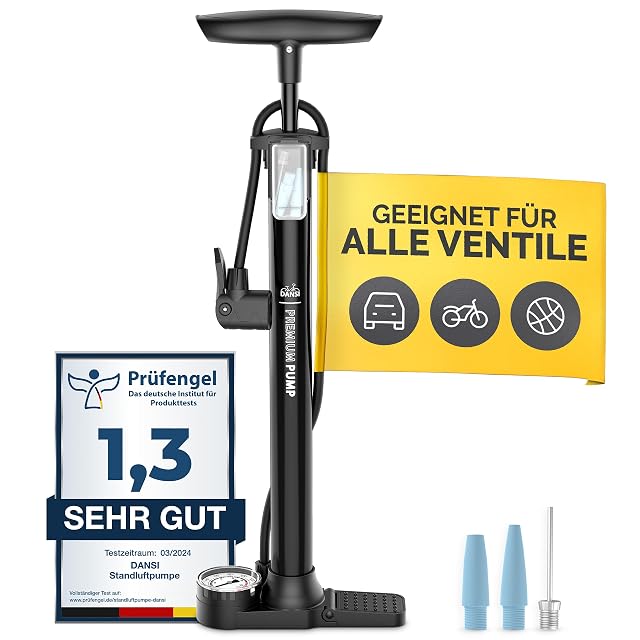
Next twenty: a track pump
Correct pressure prevents more punctures than any protection belt and takes ten seconds a week. Match the gauge resolution to the pressures you actually run.
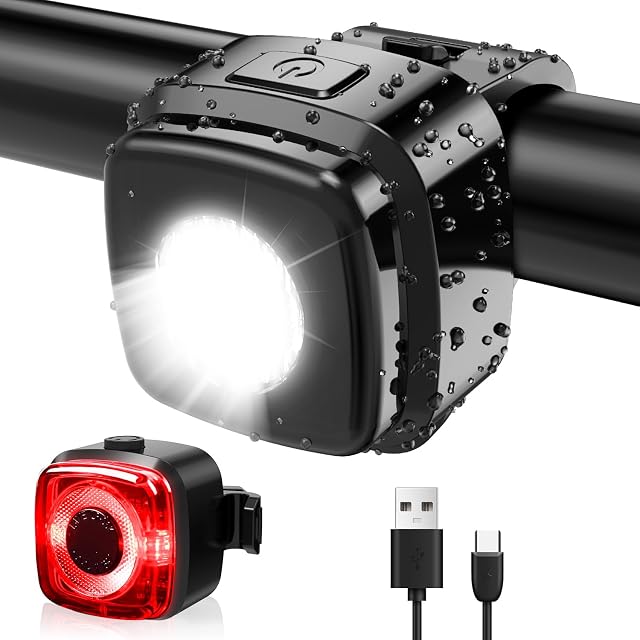
Next twenty: lights
If you ride after dark at all. Lux rather than lumens for a road light, and a rear lamp with a wide horizontal spread — the risk is being unseen from the side at a junction.
Next fifteen: a chain
If yours is past its manufacturer’s wear limit. Measured with a five-dollar gauge, this is either the cheapest repair on the bike or a warning that the cassette has gone too.
Last five: grips or bar tape
The only contact point you can improve for a few dollars. A wing grip on a flat bar spreads the load across the palm and changes the wrist angle, which is what relieves numbness.
What we would not spend it on
A saddle, before trying the free adjustments. A lighter component. A computer. All three are reasonable purchases and none of them changes a ride the way this list does.
The questions riders ask
What is the single best hundred euros?
Tires and a track pump. Together they change grip, comfort, rolling resistance and puncture frequency — everything you notice on every ride — for well under a hundred dollars on most bikes.
Is a lighter component worth it?
Rarely at this budget. A few hundred grams off a component is imperceptible next to correct tire pressure, a fresh chain and grips that fit your hands.
Last reviewed 30 August 2026