Jerseys and bib shorts
Wash soon rather than later — sweat left in technical fabric is what makes it smell permanently, and once it does, it does not come out. Bib shorts go in the wash after every ride: the chamois pad holds sweat and bacteria against your skin.
Wash in cold or warm water on a gentle cycle, inside out, with zippers closed so the teeth do not snag other garments. A mesh laundry bag protects the chamois and any reflective prints. No fabric softener and no dryer sheets: both coat the fibers and reduce wicking.
Hang to dry. Dryer heat degrades elastane — spandex — and elastane is what makes cycling clothing fit.
Rain jackets
Wash them, despite the instinct not to. A jacket clogged with dirt and body oils wets out and stops breathing, which feels like the waterproofing has failed.
Most manufacturers publish a wash and re-waterproofing procedure, usually a technical wash followed by a DWR spray or wash-in treatment. Follow theirs; some call for a short warm tumble to reactivate the water-repellent finish, which is the one exception to the no-dryer rule.
Gloves
Hand wash, air dry, and never on a heater or radiator — heat shrinks and cracks the leather palms on gloves that have them.
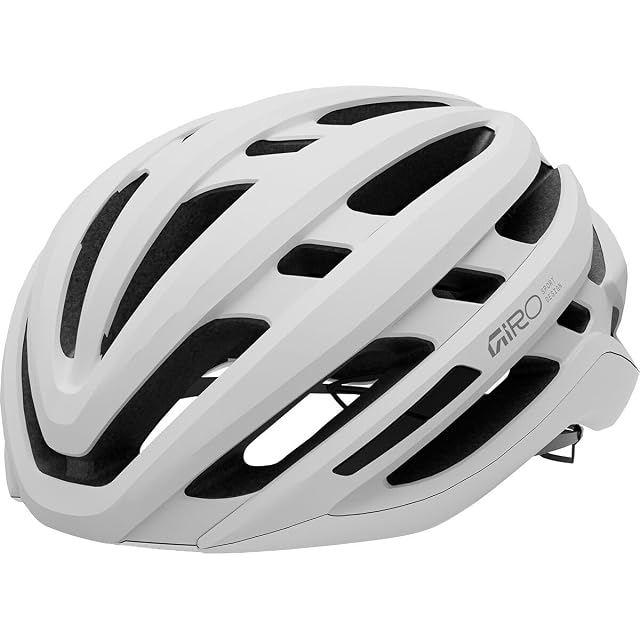
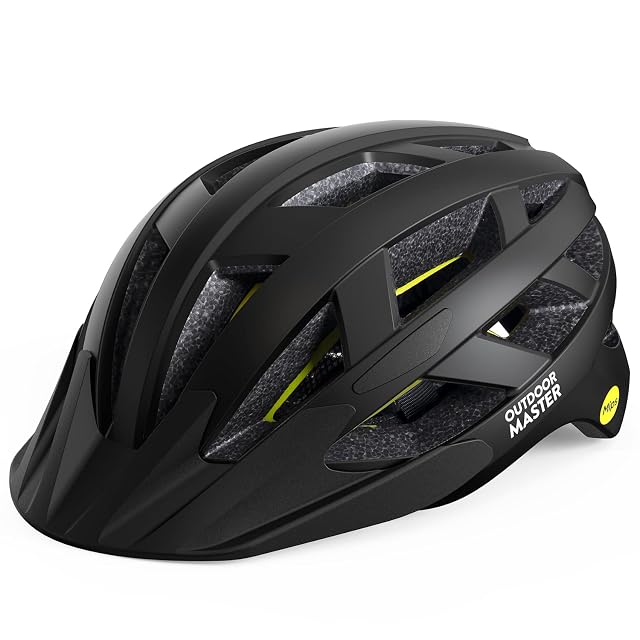
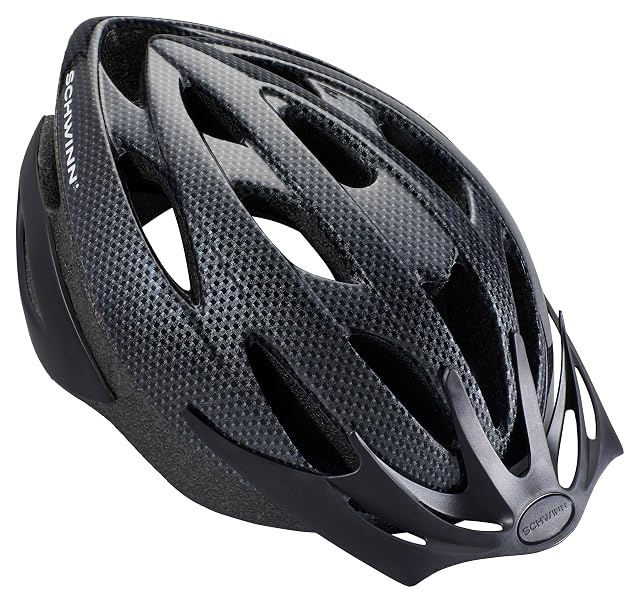
The helmet
Pads and straps: mild soap, lukewarm water, air dry. Most pads attach with hook-and-loop and lift straight out.
Shell and liner: a damp cloth, and nothing else. Solvents, strong detergents and petroleum-based cleaners attack expanded polystyrene (EPS), the foam that absorbs an impact. Do not use stickers or paint on the shell unless the manufacturer allows it.
Dry away from heaters and out of direct sun. Heat deforms EPS.
Replace it after any crash, even if it looks fine: EPS crushes once and does not recover. Beyond that, follow the replacement interval in the manufacturer’s manual. Our guide to the best bike helmet for night riding covers what to look for in a new one.
Shoes
Remove the insoles and dry them separately. Stuffing the shoes with newspaper overnight does more than a heater, and it does not damage the sole or the glue.
Storage
Dry before storing, everything. A damp jersey in a drawer for a week is a smell that never leaves.
And a helmet left in a hot car all summer is a helmet aging faster than the manufacturer’s service life assumes: store it indoors, away from heat and sunlight. For keeping the bike itself in shape through the cold months, see setting up a bike for winter.
The questions riders ask
Can I use fabric softener on cycling clothing?
No. It coats the fibers and reduces the wicking that technical fabric is designed for, so most manufacturers advise against it. A sports-specific detergent, or a regular one with no softener, is the usual advice — and skip dryer sheets for the same reason.
How do I clean helmet pads?
Peel them out, wash them by hand in lukewarm water with a mild soap, then let them air dry before pressing them back in. Nothing solvent-based anywhere near the helmet: solvents degrade the EPS foam liner that does the work in an impact.
Can I put cycling clothes in the dryer?
Avoid it. Dryer heat breaks down elastane (spandex), the fiber that makes jerseys and bib shorts fit, and can damage chamois pads and reflective prints. Hang them to dry; technical fabric dries fast on its own.
How often should I wash bib shorts?
After every ride. The chamois pad holds sweat and bacteria against your skin, and wearing it twice is the usual cause of saddle sores.
Last reviewed October 24, 2026