One: the mount
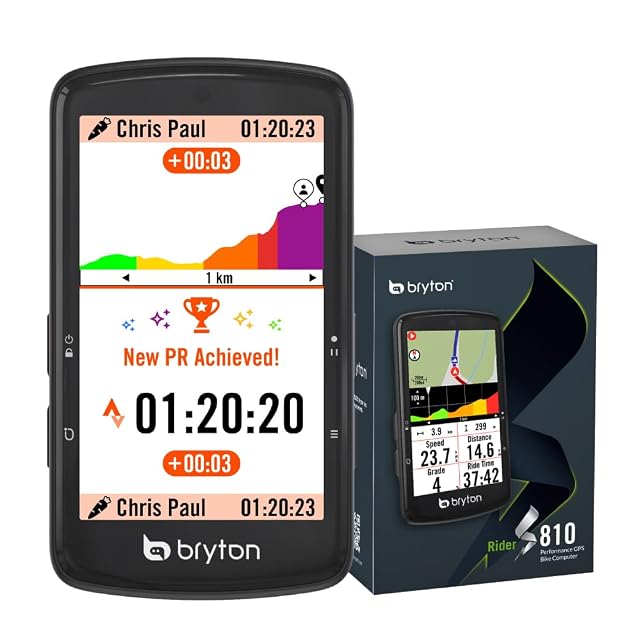
Out front is better if the bar allows it. It puts the screen where you glance rather than where you look down, and it frees bar space for a light and a bell.
Mounts are brand-specific quarter-turn interfaces. Adapters exist between the common patterns and cost very little.
If you have several bikes, buy a spare mount per bike rather than moving one — the transfer is where a computer gets dropped.
Two: the speed sensor
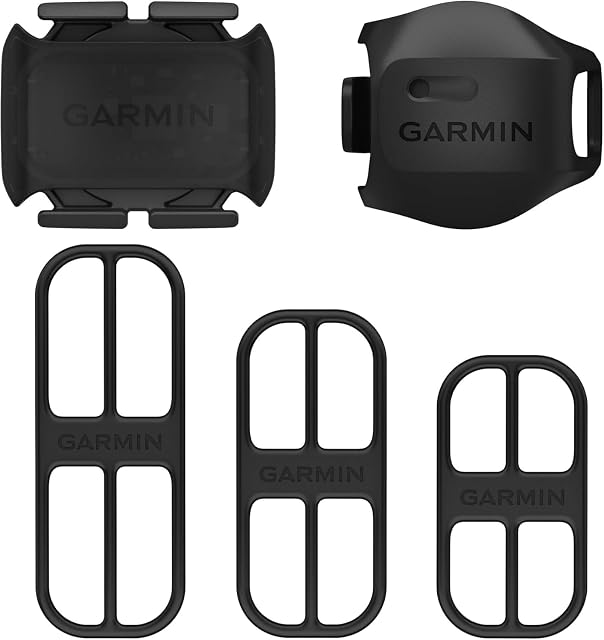
Modern sensors are magnet-free and mount on the hub with a rubber band or a strap. Hub-mounted is better than spoke-mounted: nothing hangs off a spoke and nothing goes out of alignment.
Three: the cadence sensor
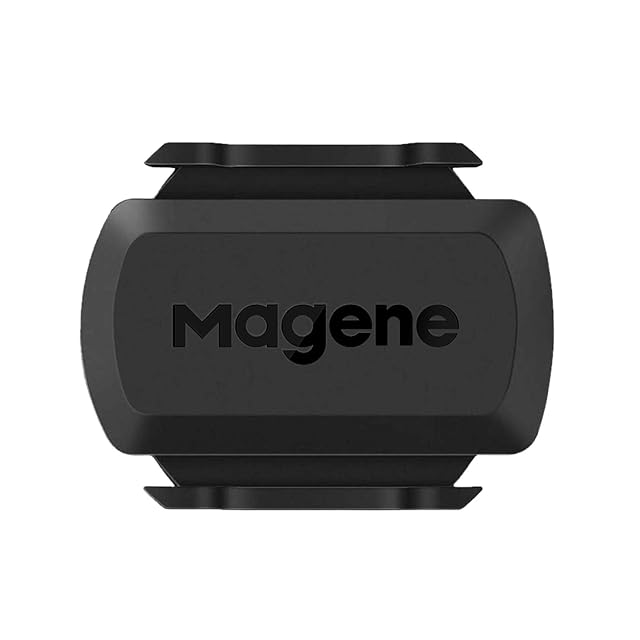
On the inside face of the crank arm. The clearance check is the one that matters: turn the crank through a full rotation and make sure the sensor clears the chainstay at its closest point, not at the bottom of the stroke.
Four: pairing
Sensors broadcast on ANT+, Bluetooth, or both. A dual-protocol sensor pairs with almost any head unit; a Bluetooth-only sensor can be invisible to a unit that expects ANT+.
Pair each sensor individually and check it reports before you ride.
Five: the wheel circumference
The number that makes every speed and distance reading right or wrong.
Most units offer a table by tire size. The accurate method is to measure: mark the tire and the floor, roll the bike forward one full revolution with your weight on it, and measure between the marks.
A figure entered for a 25 mm (0.98 in) tire while you ride 32 mm (1.26 in) makes every reading proportionally wrong.
Six: the first ride
Check speed, cadence and distance all report. A sensor that pairs and then drops out is usually a battery near the end of its life.
The questions riders ask
Where should the computer mount go?
Out front on a bracket if you have clear bar ahead of the stem — it is easier to read and it does not compete with a light for bar space. On the stem otherwise. Measure what else needs those centimeters first.
Do sensors need calibrating?
A speed sensor needs a wheel circumference, which most head units either ask for or learn from GPS over the first few rides. Cadence needs nothing. There is no magnet to align on any modern sensor.
Last reviewed October 31, 2026