Before anything: two measurements
Wheelbase, front axle center to rear axle center.
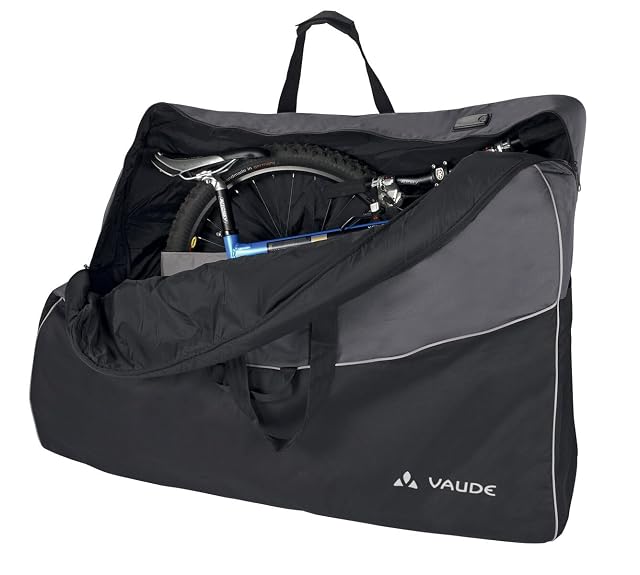
Empty bag weight, weighed at home. Very few manufacturers publish it, and it comes straight out of an airline allowance.
One: the wheels
Front out always, rear out for most bags. Keep the quick-releases or thru-axles somewhere you will find them — taped to the frame is a good habit.
Let some air out of the tires.
Two: the rotor
Remove it, or fit the transport spacer that came with the brake, or rely on a padded wheel compartment to keep the wheel away from it.
Also fit the plastic spacer between the brake pads if your brake supplied one. A lever squeezed in transit with no rotor between the pads closes them together, and parting them again is a job you do not want at an airport.
Three: the pedals
Off. The left one is reverse-threaded on essentially every bike.
Four: the bars
Turned in line with the frame, or the stem loosened and the bars laid alongside. Do not let the bars hang by the cables.
If you loosen the stem, note the spacer order — photograph it.
Five: protection
Pipe insulation or the original packing foam around the down tube, the chainstay, the fork legs, and anywhere two parts touch.
The derailleur is the other fragile part. Some riders remove it and tape it to the chainstay for a flight.
Six: pack the small parts together
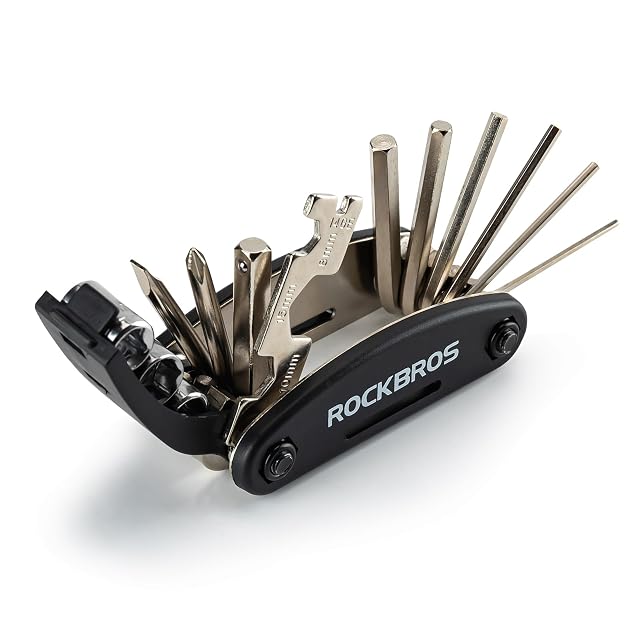
Skewers, pedals, rotor bolts and the multi-tool in one bag, inside the bike bag. Loose parts are what get lost.
Seven: at the other end
A full pre-ride check, every time. The bike has had its wheels out and its bars moved.
The questions riders ask
What gets damaged most often?
The disc rotor. It bends under a load pressing on it, and a wheel packed loose against a frame is exactly that load. Remove it, or use a bag with a padded wheel compartment.
How do I know if my bike fits?
Measure the wheelbase — front axle center to rear axle center. That figure decides it far more reliably than frame size, and it is the one good bags publish. The VEVOR bag in this catalog states 41.7 in (106 cm).
Last reviewed August 30, 2026