Skip to content

CooSpo BK467 speed and cadence sensor, IP67 vs CYCPLUS Speed and cadence sensor, Bluetooth and ANT+

Which dual-mode sensor, when both speak the same protocols?

These two are close enough that most of the specification is identical — both switch between speed and cadence, both broadcast ANT+ and Bluetooth, both mount without a magnet. One publishes a figure the other does not.

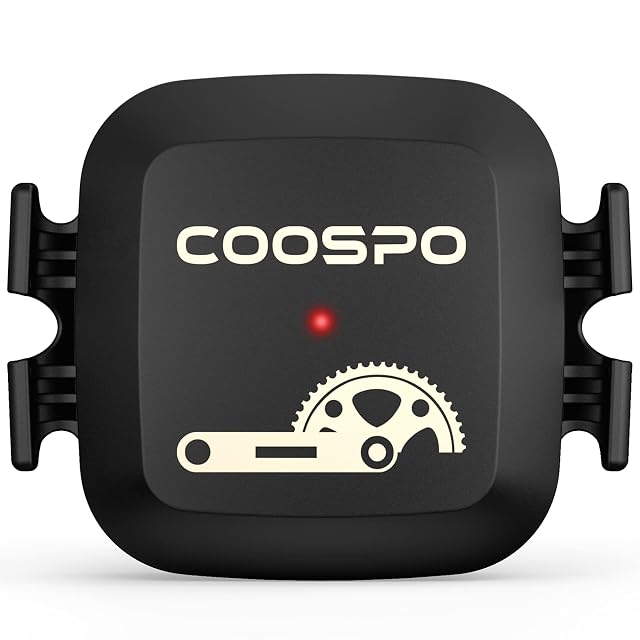
CooSpo BK467 cycling sensor pod shown next to its mounting band

CooSpo BK467 speed and cadence sensor, IP67

7.8/10

Wins 1 of 5

Search Amazon

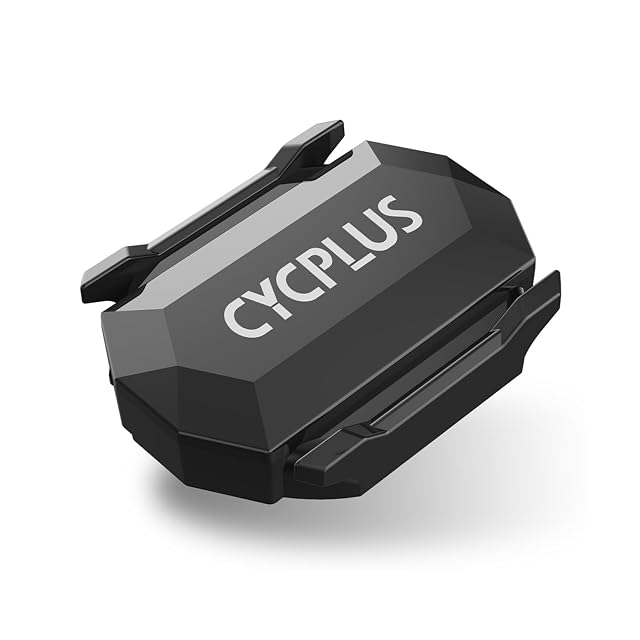
CYCPLUS speed and cadence sensor mounted on a crank arm

CYCPLUS Speed and cadence sensor, Bluetooth and ANT+

7.8/10

Wins 1 of 5

Search Amazon

Measure against measure

Compared on BK467 speed and cadence sensor, IP67 Speed and cadence sensor, Bluetooth and ANT+
Modes Speed or cadence, switched by resetting the battery Speed and cadence
Protocols Bluetooth and ANT+ Bluetooth and ANT+
Ingress protection IP67 Not published
Mounting Not published Elastic double-sided band, no tools
Listed on amazon.com No No

A tick marks the better answer on that line only. Counting ticks does not decide the page — the two verdicts below do, because these products answer different questions.

Which of the two, for which rider

BK467 speed and cadence sensor, IP67

No amazon.com listing was found for this one. We hold references for other markets but none for the United States, so it may not be buyable here — which is the first thing to weigh against anything below.

The one with a stated ingress rating, and on a component that lives at hub or crank height in road spray that is the figure worth having. IP67 means dust-tight and able to survive immersion — more than a bike sensor should ever need, and exactly what it will get in February.

Speed and cadence sensor, Bluetooth and ANT+

No amazon.com listing was found for this one. We hold references for other markets but none for the United States, so it may not be buyable here — which is the first thing to weigh against anything below.

The one that publishes its mounting: a double-sided elastic band, fitted without tools, which is what makes moving a sensor between bikes a two-minute job. Same protocols, same roles, and no ingress figure stated.

The questions riders ask

Do I need two sensors?

If you want speed and cadence at the same time, yes — a dual-mode sensor is one or the other, not both. Two of these still costs less than one conventional dedicated pair.

Will they work with my computer?

Both broadcast ANT+ and Bluetooth, which is what keeps a sensor usable across head units. A sensor speaking only Bluetooth can be invisible to a unit that expects ANT+.

What clearance does a cadence sensor need?

It sits on the inside face of the crank arm and has to clear the chainstay through a full rotation. Measure with the crank at its closest point, not at the bottom of the stroke.

The full page on each