What has to be tubeless-ready
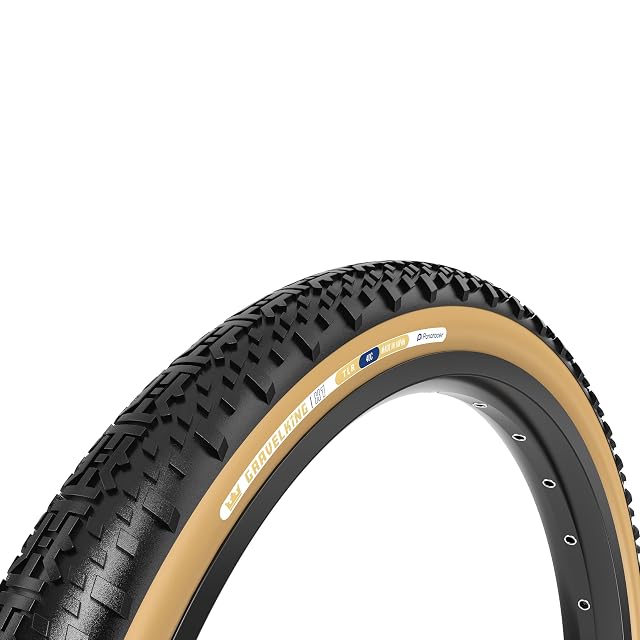
Both the rim and the tire, stated explicitly by their manufacturers. A rim or tire not specified for tubeless is not a candidate — the bead shapes differ.
The four parts
Tubeless rim tape, sealing the spoke holes airtight. Normal rim tape does not. It has to be the correct width for the rim’s internal width and laid without wrinkles.
Valves with removable cores. Insist on this. It is what lets sealant be injected through the valve later.
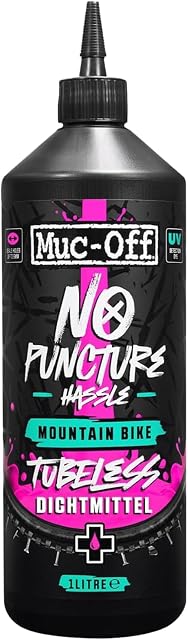
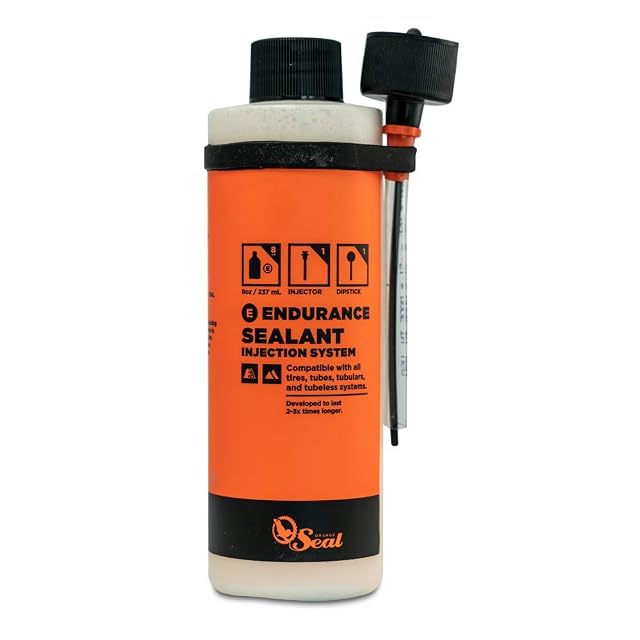
Sealant, in the volume the maker recommends for your tire size. A road tire needs far less than a 2.4 inch mountain bike tire.
A fast air source. Seating a bead needs a burst of volume rather than pressure: a tubeless pump with a charging chamber, an air canister, or a compressor. A standard floor pump sometimes works and often does not.
The order
Tape the rim, working slowly and without wrinkles. Fit the valve. Mount one side of the tire, then the other, leaving a section open. Add sealant through the opening or through the valve with the core out. Close the tire. Seat the bead with a burst of air. Inflate to pressure, checking the bead is seated evenly all the way round on both sides.
What to expect the first time
Some mess, and possibly a bead that will not seat. Soapy water on the bead helps. If it refuses after several attempts, a shop with a compressor will seat it in seconds — that is a reasonable place to stop rather than a failure.
The part people forget afterwards
Sealant dries out over months whether or not it has sealed anything. The manufacturer publishes an interval; it applies regardless of punctures. A tire that sloshes when shaken still has liquid; a silent one is dry and is protecting nothing.
Pressures
Tubeless usually runs lower than the same tire with a tube, and there is a lower bound below which the bead can unseat. The tire and rim makers both publish minimums; the higher of the two governs.
On a hookless rim the limit is also a maximum: the ETRTO standard caps hookless setups at 5 bar (73 psi), whatever the tire allows.
The questions riders ask
What do I actually need?
A tubeless-ready rim, a tubeless-ready tire, tubeless-specific rim tape, valves with removable cores, sealant, and a way of delivering air fast enough to seat the bead. All of it, not just the tire.
Why do the valves need removable cores?
So sealant can be injected through the valve rather than by breaking the tire bead. That is the difference between a five-minute top-up and a full refit, every few months, for as long as you run tubeless.
Last reviewed October 27, 2026