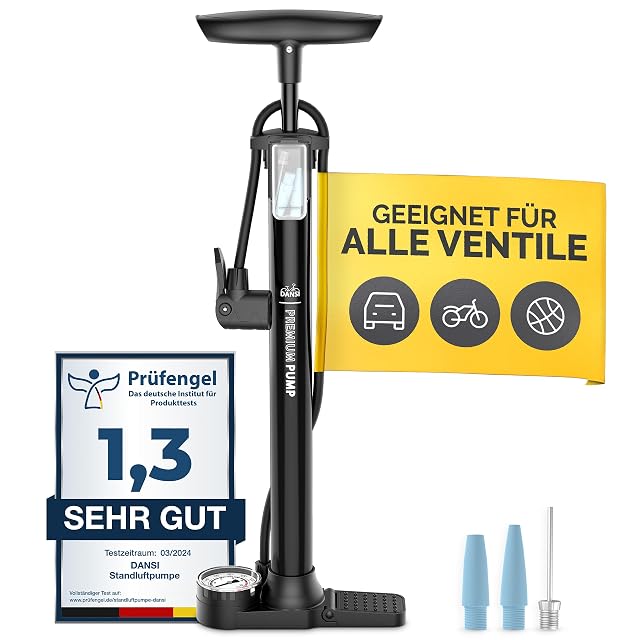
One: a floor pump
Not a mini pump. A floor pump with a gauge you can actually read at your own pressures — a road rider needs resolution around 6 to 8 bar, a gravel or mountain bike rider around 1.5 to 3, and a gauge marked to 11 bar is coarse exactly where the second group works.
Tires lose pressure through the rubber whether or not anything is wrong. A weekly check takes ten seconds and prevents most pinch flats.
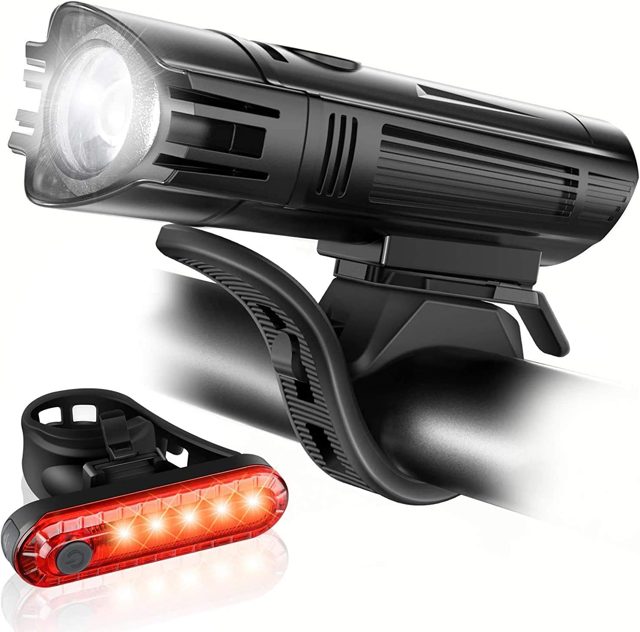
Two: lights, if you ride after dark at all
Not “when the evenings draw in”. A ride that starts in daylight can finish in the dark, and lights that live on the bike are the ones that are there.
Look for lux rather than lumens on a road light, and for a rear lamp with a wide horizontal spread — being seen from the side at a junction is where the risk actually is.
Three: a lock, if the bike is ever left
Buy more lock than feels necessary. The one specification to compare first is weight, because a lock too heavy to carry gets left at home, at which point its security rating is zero.
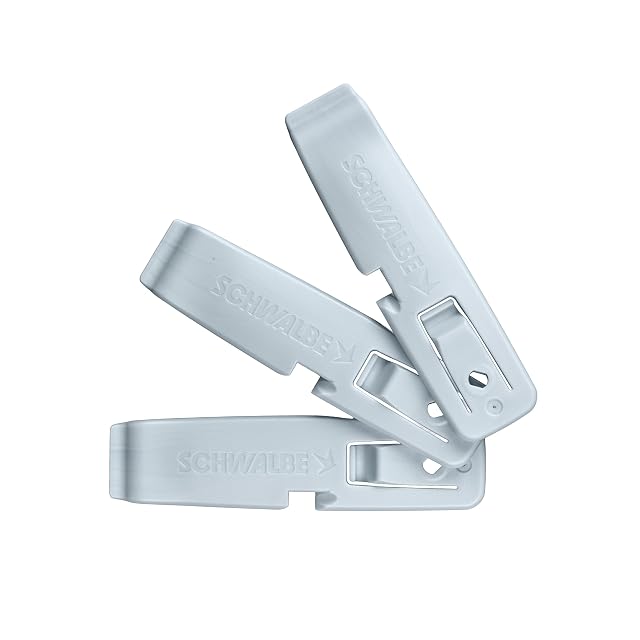
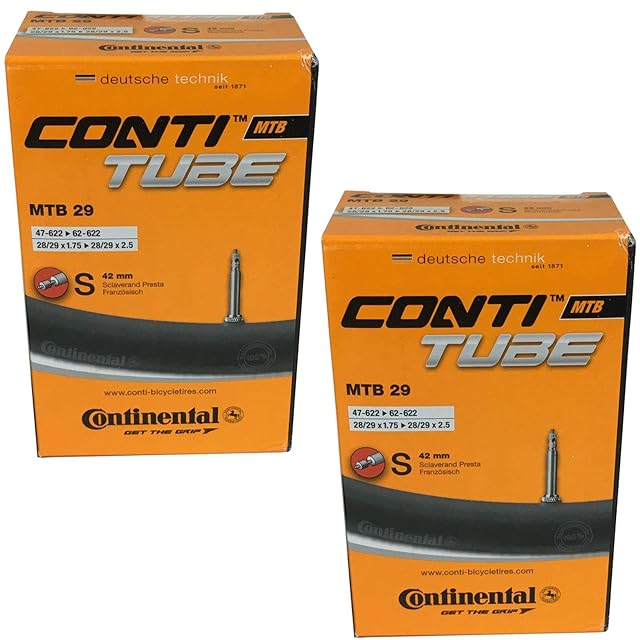
Four: the roadside kit
A spare tube that matches your tires, two tire levers, and a way of inflating it. Together they are the difference between a delay and a walk home, and they cost less than one evening out.
What we would not buy first
A computer, a saddle, or anything sold on comfort. All three are worth having and none of them changes a ride the way correct tire pressure does.
The questions riders ask
What is the single most useful first purchase?
A floor pump with a readable gauge. It prevents more punctures than any protection belt, it takes ten seconds a week, and correct pressure changes how the bike rides more than any component at this price.
Lock or lights first?
Lights, if you will ever ride after dark — being invisible is the more immediate risk. Lock next, and buy more lock than feels necessary rather than less.
Last reviewed August 30, 2026