The numbers that decide fit
ETRTO sizes on a tire or tube: two millimeter figures, width and rim diameter. Nothing else settles whether a tire fits.
Speed count on a chain or cassette: count the sprockets on the rear wheel.
Seatpost diameter: read it off the post, do not measure it. The steps are under a millimeter.
Handlebar diameter at the mounting point, which is often 22.2 mm where a grip sits and 31.8 mm (1.25 in) at the stem.
Freehub standard, which decides which cassettes fit and is invisible with one fitted.
Every one of these is a physical interface. Get it wrong and the part does not go on.
The numbers that mislead
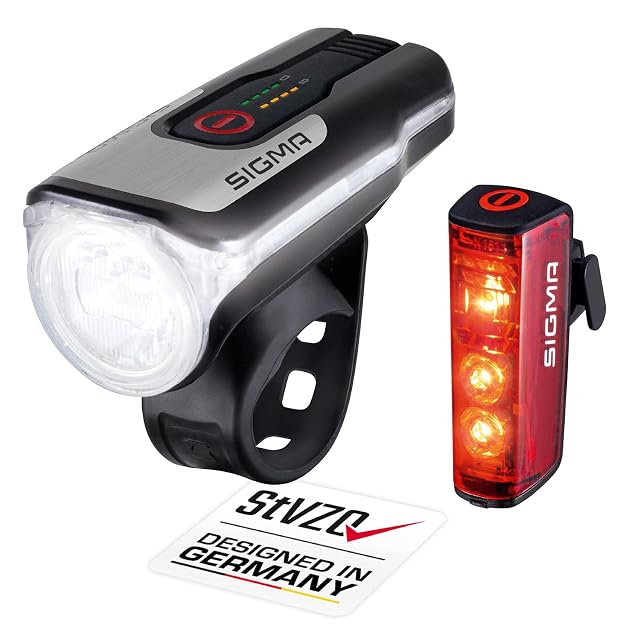
Lumens, on a light. Total output in every direction, with no information about where it goes. Lux describes illumination at a distance, which is much closer to the question you have.
Inch sizes, on a tire. Several different rim diameters have all been sold as “26 inch”.
Maximum pressure, on a track pump. What matters is gauge resolution at the pressure you actually run.
Security grades, on a lock. Manufacturers publish gradings from different schemes that do not map onto each other.
The words that mean nothing specific
“Waterproof” without an IP rating. “Premium”. “Professional”. “Universal fit” without a stated range.
Compare against listings that publish a defined figure — IPX5 is a test, and “waterproof” is an adjective.
What a good listing looks like
It publishes the interface dimensions, the weight, and the figure that governs its category. It names a standard rather than implying one. And where a figure does not exist, it says so rather than substituting a phrase.
The questions riders ask
Which numbers actually matter?
The ones that describe a physical interface: ETRTO sizes, speed counts, seatpost diameters, bar diameters, freehub standards. Those decide fit, and everything else is preference.
Why do lumens mislead?
Lumens measure total output in every direction. Lux measures how much light lands where the road is. A shaped 40 lux beam can be more useful than an unshaped light claiming several hundred lumens.
Last reviewed 30 August 2026