What you are getting
A chain lock in 6 mm (0.236”) manganese steel, with a five-digit combination cylinder in zinc alloy, a polypropylene fabric cover, a dustproof cap over the keyhole, and a resettable code. Lengths of 3.2, 3.6 and 4 ft — 97.5, 110 and 122 cm (48 in). $13.99.
It is the first chain on this shelf
The introduction to this page describes three formats, and what a chain is for: it “covers the most anchor points while being the heaviest to carry”. The five locks published here are two D-locks and three folding locks; none is a chain.
So this fills the gap, and the trade it brings with it is the one the introduction names. A chain goes round a lamp post, a railing, a thick stand and two bikes at once, where a D-lock reaches only what fits inside its shackle. It is also the format that is heaviest for the security it gives, because a flexible chain cannot resist leverage the way a rigid shackle can.
“Crafted from ultra-thick 0.236”/6 mm manganese steel.”
That is the number, and it is the one the tag on this shelf is reaching for: weight is the honest measure of how much steel a lock carries, and link thickness is the same measure in another unit.
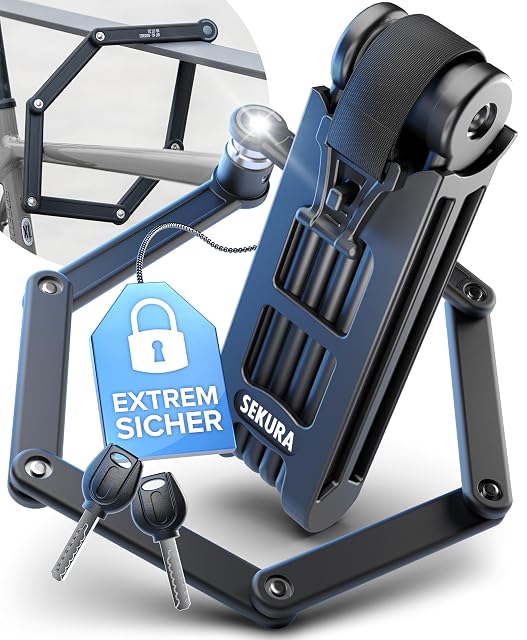
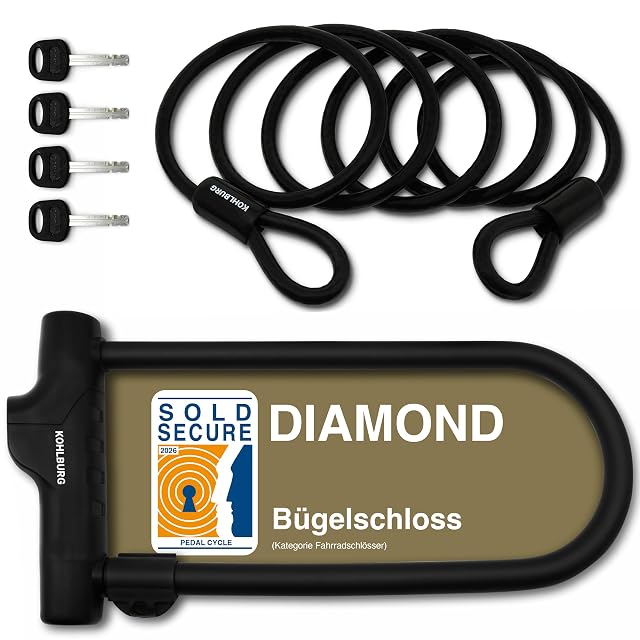
Six millimeters is thicker than the Toptrek folding lock already published here, whose links are 5 mm (0.20 in). It is far thinner than the Kohlburg D-lock’s 14 mm (0.55 in) shackle.
What that means in practice: a 6 mm (0.24 in) link is a deterrent against hand tools and opportunists, and it is within reach of a decent pair of bolt croppers. This is a lock for a café stop, a station rack in daylight, or locking two bikes together — not for leaving a valuable bike overnight in a city.
The combination arithmetic is correct, which is worth noting
“The advanced 5-digit combination lock offers… up to 100,000 possible combinations.”
Five digits, ten options each: 10⁵ = 100,000. Listings on this site routinely round, exaggerate or invent such figures; this one is exactly right.
“Virtually impossible to crack” is the overstatement beside it — a five-digit dial lock is not attacked by guessing the code, and nothing on this page assesses how a lock resists attack.
And it explains how to reset the code
“The initial password is 00000, and when it’s time to set a new password, simply keep the number wheels in the correct unlock password state and rotate the reset dial 90°.”
Two useful facts: the factory code, and the mechanism. Change it from 00000 before using the lock — a combination lock left on its factory setting is an unlocked lock.
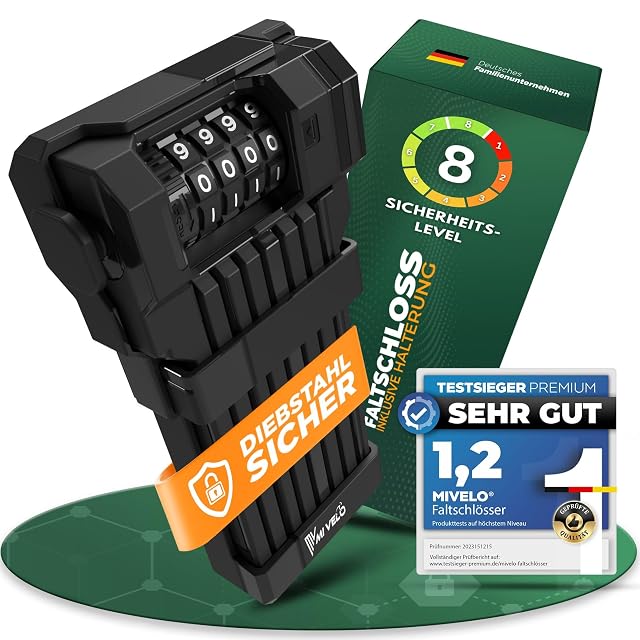
The Mivelo and Toptrek folding locks published here are also combination locks and neither listing explains the reset.
The fabric cover does three jobs
“Flexible high-quality polypropylene fabric cover protects your hands against heat or cold, prevents chain from rust, and keeps the bike paint from scratches.”
A bare chain lock swung against a frame is the fastest way to chip paint, and a wet chain rusts into a solid bar. The cover is not a security feature and it is the reason a chain lock survives being carried.
The dustproof cap over the keyhole is the other maintenance detail: a combination cylinder full of road grit is a cylinder that jams.
And it publishes the warning that decides whether it fits
“Note: the bicycle lock head diameter is 1.3 inches. Before making a purchase, ensure that the gap between the tires or the hole you need to pass through is compatible.”
Thirty-three millimeters of lock head. That is the dimension that stops a chain being threaded through a wheel between the spokes and the stays, and it is the kind of figure almost nothing publishes.
The buying advice on this shelf asks you to measure around the stand you actually use. This listing asks you to measure the gap as well — and offers the fallback: “you can still lock your bike by wrapping the chain around it, rather than threading it through the wheel’s gap”.
No independent certification, which is the gap that counts
The introduction to this page is explicit: whether an independent scheme — ART in the Netherlands, ADFC in Germany — has assessed the lock “is the only claim on a lock you can check”.
This listing names none. The TitanLock published here states an ART certification and the Kohlburg an ADFC recommendation.
And the buying advice goes further: “read your insurance policy: several name a certification scheme, and an uncertified lock can void a claim however solid it is.” At $13.99 that is the trade being made.
One contradiction, on the length
The title offers 3.2, 3.6 and 4 ft. The fifth bullet says “with options available in lengths of 3.2 ft”.
One figure against three. Check which length is in the basket before ordering, because length is what decides whether the lock closes round the stand.
What is not published
No weight — as with every lock in this hub, which the introduction calls a real gap; the 640 g on the shipping record is the parcel. No certification, no link count, no cylinder rating, no frame bracket, which three of the five published locks here supply.
Availability
Read on the day this page was built: $14 at the American Amazon shop.
Read from Keepa on the day this page was last revised; stock and price both move without notice.
Prices quoted in this text were read on 2026-10-06. The live price is at the top of the page.