What we cover
Topeak has 2 products on this site, on the Bike GPS trackers and Track pumps shelves. Prices are the ones we read on Amazon.com on October 31, 2026, and each review shows the live price.
How to read this page
We list what Topeak publishes on each Amazon.com listing, and we say what is missing. A brand page is not a ranking: a score, where a review has one, only compares products on the same shelf.
Before you buy bike gps trackers
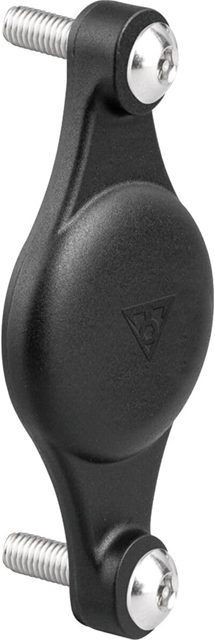
Two entirely different devices share the word tracker. A crowd-network tag has no GPS and no SIM: it reports only when someone else’s phone passes near it, which works well in a city and not at all on an empty road. A SIM-based tracker reports its own position anywhere with mobile coverage, at the cost of a subscription and a battery measured in days rather than a year. We compare which network a device uses, whether a subscription is required, the ingress rating where one is stated, and how well the unit hides — inside a fork steerer, under a saddle, behind a bottle cage or built into a rear light. None of the five publishes a battery life figure, tag or tracker, so we do not print one.
check for a recurring fee before comparing hardware prices — a cheap SIM tracker with a monthly plan costs more over two years than a more expensive tag that needs none, and the fee is rarely on the product tile. The full comparison is on the bike gps trackers shelf.
Before you buy floor pumps
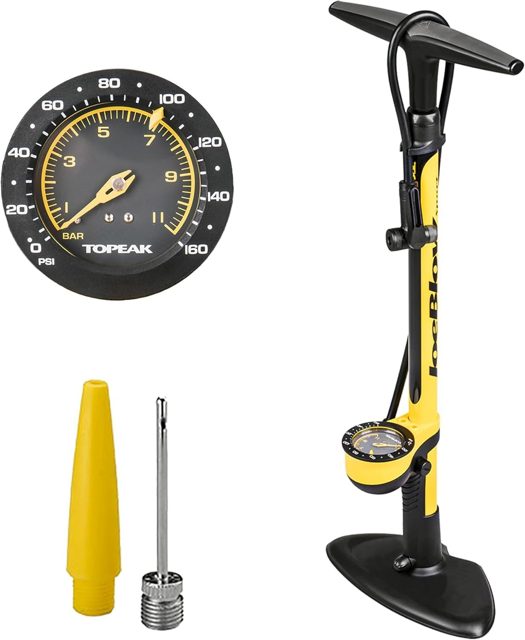
The part that fails first on a cheap pump is the head: a screw-on adapter that has to be swapped between Presta and Schrader gets lost or cross-threaded, where a dual head takes both valve types as they come. We compare head design, where the gauge sits and over what range it is readable (a gauge marked to 11 bar is coarse in the 2 bar range a mountain bike tire needs), maximum pressure in bar, and whether the barrel is steel, alloy or plastic.
match the gauge to the tires you actually inflate. A road rider needs resolution around 6–8 bar; a gravel or mountain bike rider spends their time between 1.5 and 3 bar, where a high-range gauge is barely readable. The full comparison is on the floor pumps shelf.