The thirty-second inspection
After a ride, spin each wheel slowly and look at the tread. Anything embedded comes out now rather than working its way through later.
A shard of glass that has sat in the tread for two weeks is a flat waiting for a cold morning.
What to look for
Cuts reaching the casing, where you can see the threads. That tire is one flat away from a sidewall failure, which is not a roadside repair.
A squared-off profile on the rear, which is how most road tires reach the end of their life.
Sidewall cracking, which is age and UV rather than use. A tire that has spent three years on a bike in a sunny window can look new and be dry-rotted.
Wear indicators, where the manufacturer provides them: usually two small dimples on the crown that disappear as the tread wears.
Rims, on rim brakes
The braking surface wears from the outside inwards. Most rims have a wear indicator, a groove or a dot that disappears when the rim is done.
A worn rim can fail suddenly under tire pressure. This is one of the few components where the failure is abrupt rather than gradual, which is why the check matters more than its thirty seconds suggest.
Rims generally
Look at the rim bed at the spoke holes for cracks, especially if a spoke has been re-tensioned. Check the rim tape has not slipped off a hole: that is a flat that recurs on the inside face of every new tube.
Pressure
The single most effective maintenance there is. Weekly, with a gauge, inside the range printed on your own sidewall. A floor pump with a gauge makes it a one-minute job.
Tubeless
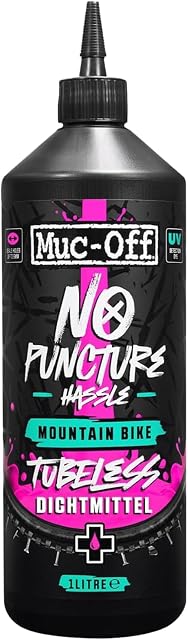
Sealant is a consumable with a service interval, not an installation. Muc-Off states up to six months for its No Puncture Hassle sealant in moderate climates; heat dries it faster, so check it before summer rides.
When it is time to replace
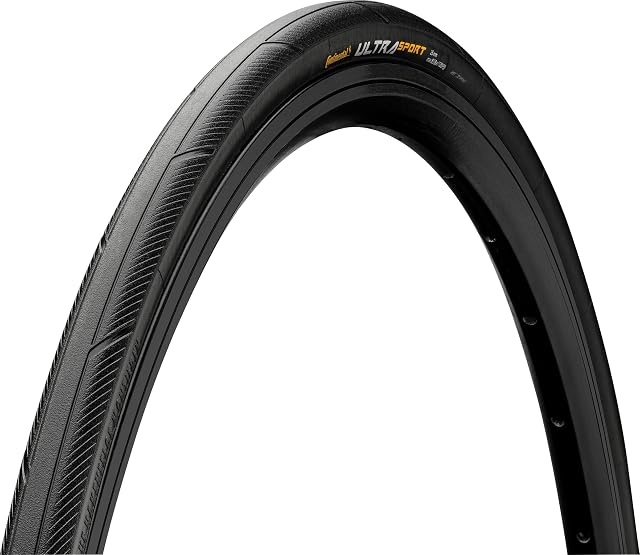
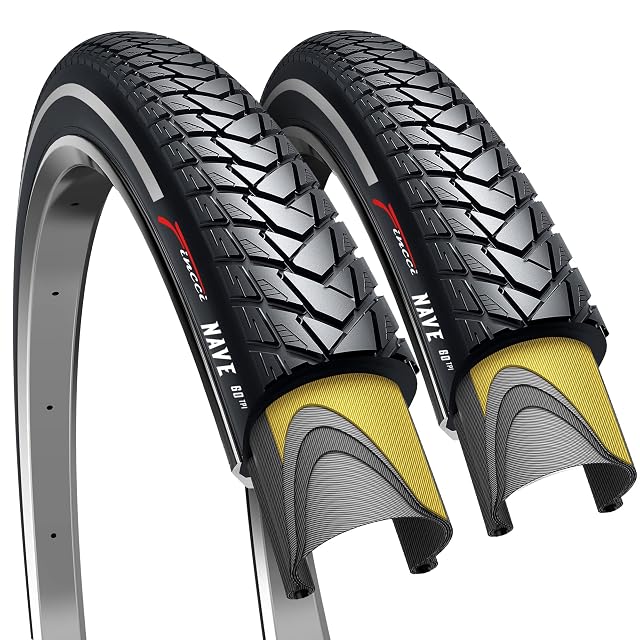
A tire with casing cuts, cracked sidewalls or a squared-off crown is finished. The products below are the ones we would reach for; the road tires and gravel and MTB tires shelves compare the rest.
The questions riders ask
How do I find glass or a sharp stone in a tire?
Spin the wheel slowly and run a cloth or a gloved hand lightly round the tread. Small shards sit flush and are barely visible, but a cloth catches on them. Pick them out with a small screwdriver or a key, never a fingernail.
How worn is too worn?
A rear tire gone flat across the crown has lost the round profile that grips when leaned, and cuts deep enough to show the casing threads mean it is finished, regardless of how much rubber is left.
How often should I check tire pressure?
Weekly, with a gauge. A tire loses pressure through the tube or the sealant even without a puncture, and a soft tire both wears faster and pinches more easily on a pothole.
How do I know when a rim is worn out?
On rim brakes, look for the wear indicator: a groove or a row of dots on the braking surface. When it has disappeared, or the braking surface looks concave, the rim is done. Disc-brake rims do not wear this way.
Last reviewed October 20, 2026