Start with four things
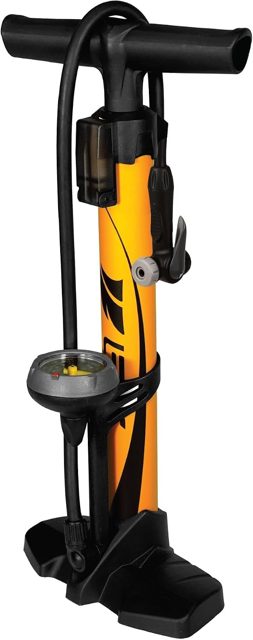
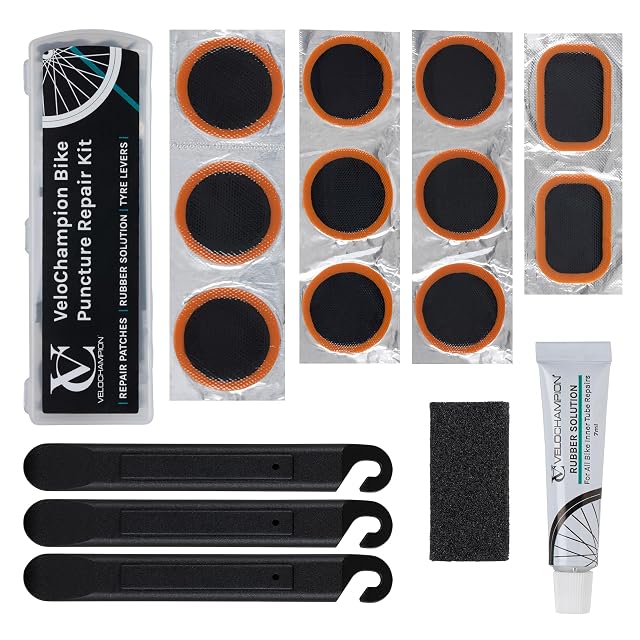
A floor pump. Hex keys from 2 to 8 mm (0.08 to 0.31 in) plus Torx, T25 being the one disc rotors use. Tire levers. A chain wear gauge.
Between them those cover tire changes, every routine bolt, and the single measurement that decides whether a drivetrain needs replacing. A floor pump with a gauge is the tool you will use most: tire pressure drifts every week, and riding underinflated is the most common cause of pinch flats.
Then a torque wrench
Roughly 2 to 15 Nm covers stems, seat clamps, rotor bolts and accessories. It is what turns the figure printed next to a bolt into something you can follow, and both over- and under-tightening are real failure modes: a crushed carbon seatpost on one side, a stem that slips on the other.
Store a click wrench at its lowest setting. Manufacturers say so, and a spring left compressed for a year drifts.
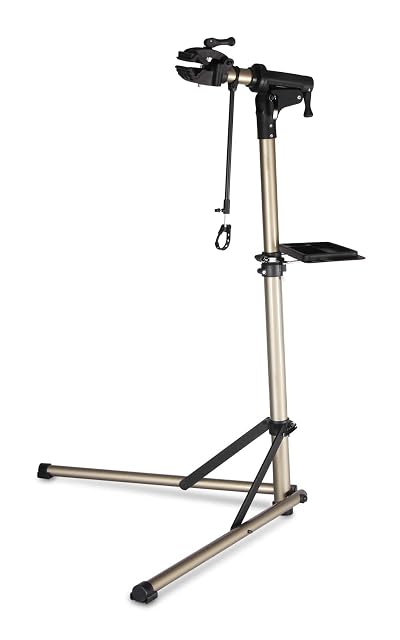
Then a stand
Not first, and not last. A stand is what makes you actually do the maintenance, because the alternative is kneeling on concrete. Match the stated load capacity to your heaviest bike, an e-bike in particular, and check the manufacturer’s clamping guidance if you have a carbon frame or seatpost: some prohibit clamping the post entirely, in which case clamp an old aluminum seatpost fitted for the job.
Reading the chain gauge
The gauge is the cheapest tool here and the one that saves the most money. Check the chain every few hundred miles. At 0.5% wear on 11- and 12-speed drivetrains, or 0.75% on 10-speed and below, replace the chain. Caught in time, a new chain runs on the old cassette; left too long, it skips on it, and the cassette and often the chainrings go too.
Then, as the jobs arrive
A chain tool and quick-link pliers the first time you replace a chain. A cassette lockring tool and chain whip the first time you replace a cassette. Both are cheaper than the labor and permanent.
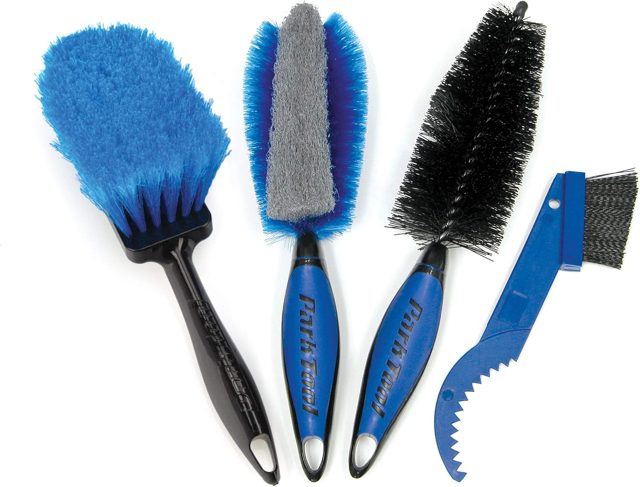
Cleaning, which is not optional
A drivetrain degreaser, a frame cleaner and a set of brushes. Keep the degreaser away from disc rotors and pads: contaminated pads are replaced rather than cleaned by most manufacturers’ own instructions. A clean chain also wears more slowly, which takes you back to the gauge.
What not to buy
A bench-mounted wheel truing stand, a headset press, or a bottom bracket tool set, until you have a specific reason. Those jobs are infrequent and a shop does them quickly.
The questions riders ask
Is a repair stand worth it?
The third time you find yourself upside down on the floor, yes. It turns most maintenance from an awkward job into a straightforward one at chest height, and it is what makes you do the jobs at all.
Should I buy a big tool kit?
No. Most contain several tools for standards your bike does not use and one or two that are genuinely poor. Buying to the job gets better tools for the same money.
When should I replace a chain?
When a chain wear gauge reads 0.5% on an 11- or 12-speed drivetrain, or 0.75% on 10-speed and below, which is the guidance Park Tool prints on its CC-3.2 checker. Replacing the chain on time usually saves the cassette and chainrings.
Do I need a torque wrench for a steel bike?
It matters most on carbon parts and small bolts, but stems, seat clamps and disc rotor bolts have printed torque values on any bike. Under-tightening a stem is as real a failure as crushing a carbon bar.
Last reviewed November 5, 2026